Microplastics (MPs < 1 μm – 5 mm) and nanoplastics (NPs < 1 μm) are now found in drinking water, indoor air, seafood, rice, salt, and dairy products. Leading publications (BBC Future 2025, the World Economic Forum 2025, Stanford Medicine 2025) report that microplastics are no longer just an environmental concern – they accumulate inside the human body. Scientific studies have detected microplastics in:
Human stool
Human blood (Leslie et al., 2022)
Lung and liver tissue
Placenta (Ragusa et al., 2021)
How microplastic gets to human body
When microplastics become a biological stressor
Microbiome disruption
Microplastics alter gut microbial composition, reduce beneficial species, and promote dysbiosis. ( Jin et al., 2021)
Gut barrier damage
Microplastics impair tight junction proteins such as Occludin and ZO-1, contributing to increased intestinal permeability “leaky gut”. (ScienceDirect 2024; Stanford Medicine 2025)
Oxidative stress and inflammation
Microplastics generate reactive oxygen species and inflammatory signaling. (Yong et al., 2020)
Why the gut and bacteria are our first
line of defence
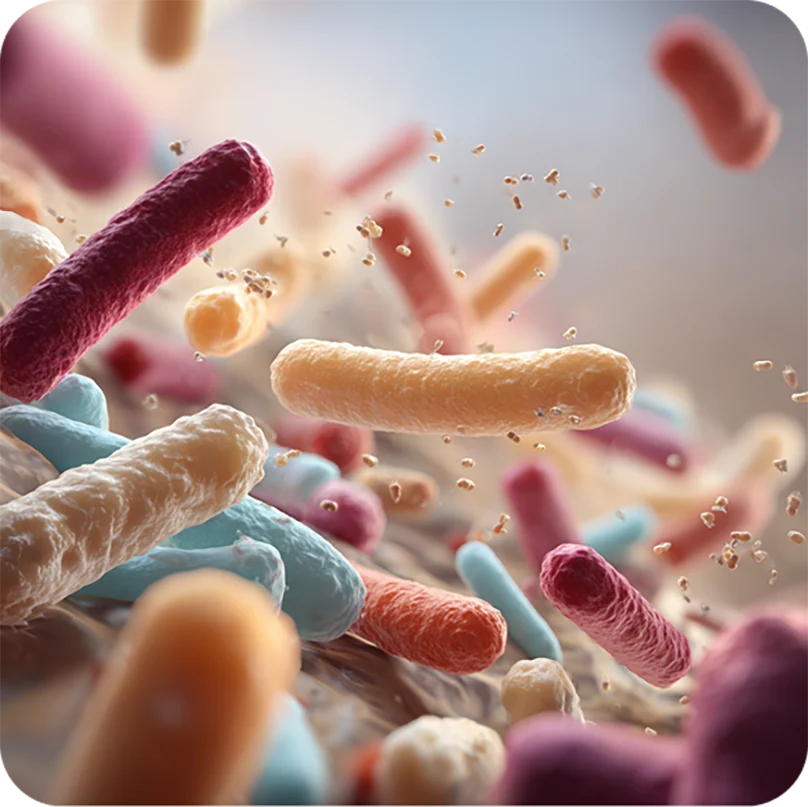
The gastrointestinal tract is the primary entry point for ingested microplastics. This makes the microbiome – mucosal interface a uniquely powerful place to act. Specific probiotic strains can:
support natural elimination of bound particles through normal digestive transit
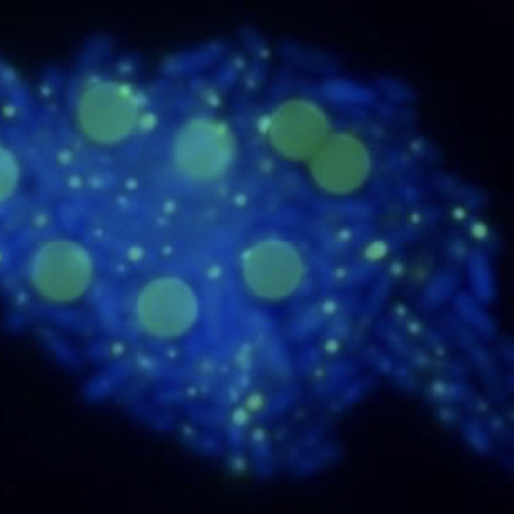
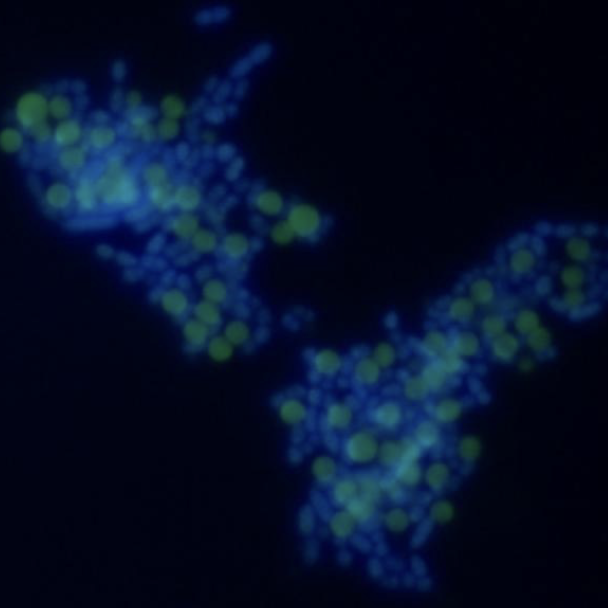
bind microplastic-like particles through hydrophobic and EPS structures
produce metabolites that help counteract oxidative stress
remain close to the mucosal layer (adhesion)
Internal research (Institute of Biochemistry and Biophysics, Polish Academy of Sciences, 2025) confirms that some strains show strong binding affinity to model microplastic particles (1 μm polystyrene beads), while others demonstrate potent antioxidant activity.
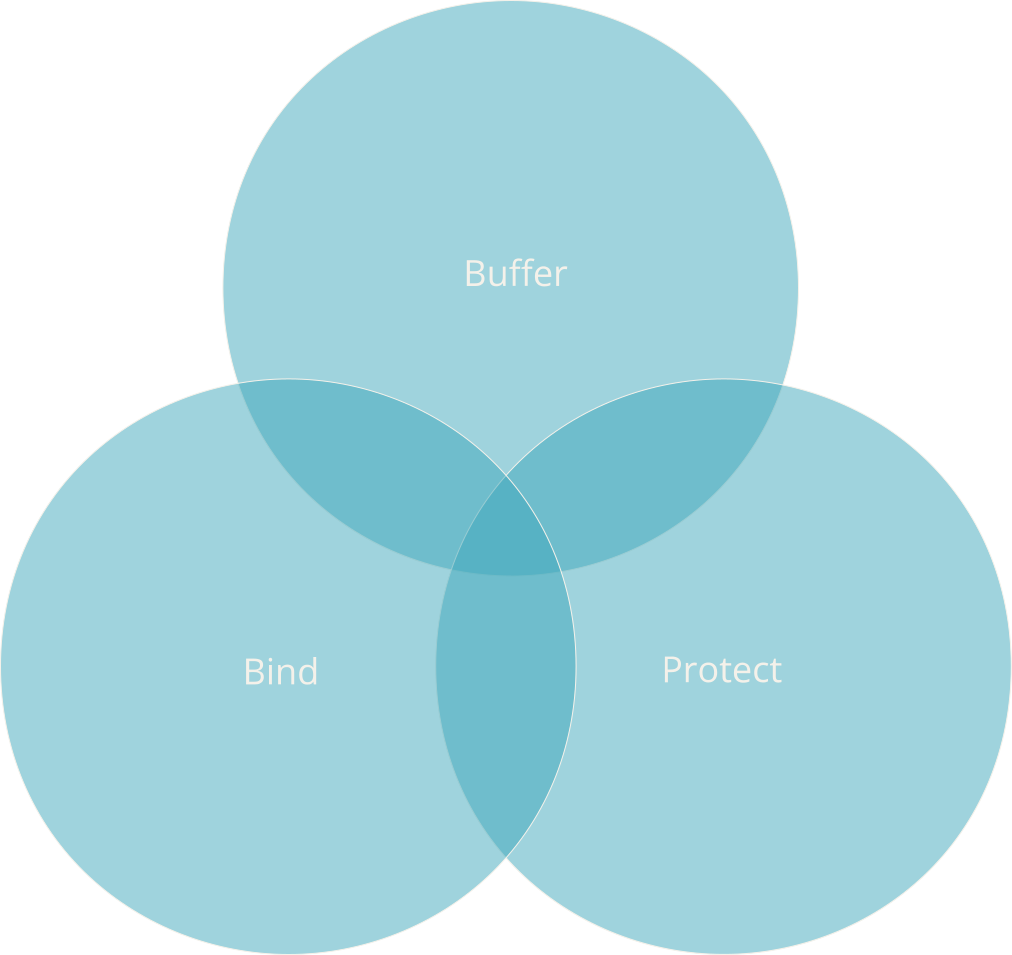
A multi-mechanism microbiome concept:
Bind - Buffer - Protect
PlasticFreeGut integrates three strains with complementary activities that form a functional biological layer inside the gut.